7 hr
Pompeii & Vesuvius Day Trip from Naples
- Expert local guide
- Small group
- Skip-the-line access
- Free cancellation
Mount Vesuvius — Crater Treks & Guided Summit Access
Walk the rim of Europe's most volatile peak, where geology meets ancient catastrophe.
Compare fares, pick the fit — all bookings are mobile-voucher and eligible for free cancellation where shown.
7 hr
8 hr
9 hr
| Experience | From | Duration | Rating | Skip-the-line | Guide | Small group | Price | |
|---|---|---|---|---|---|---|---|---|
|
Guided Experience
Most popular
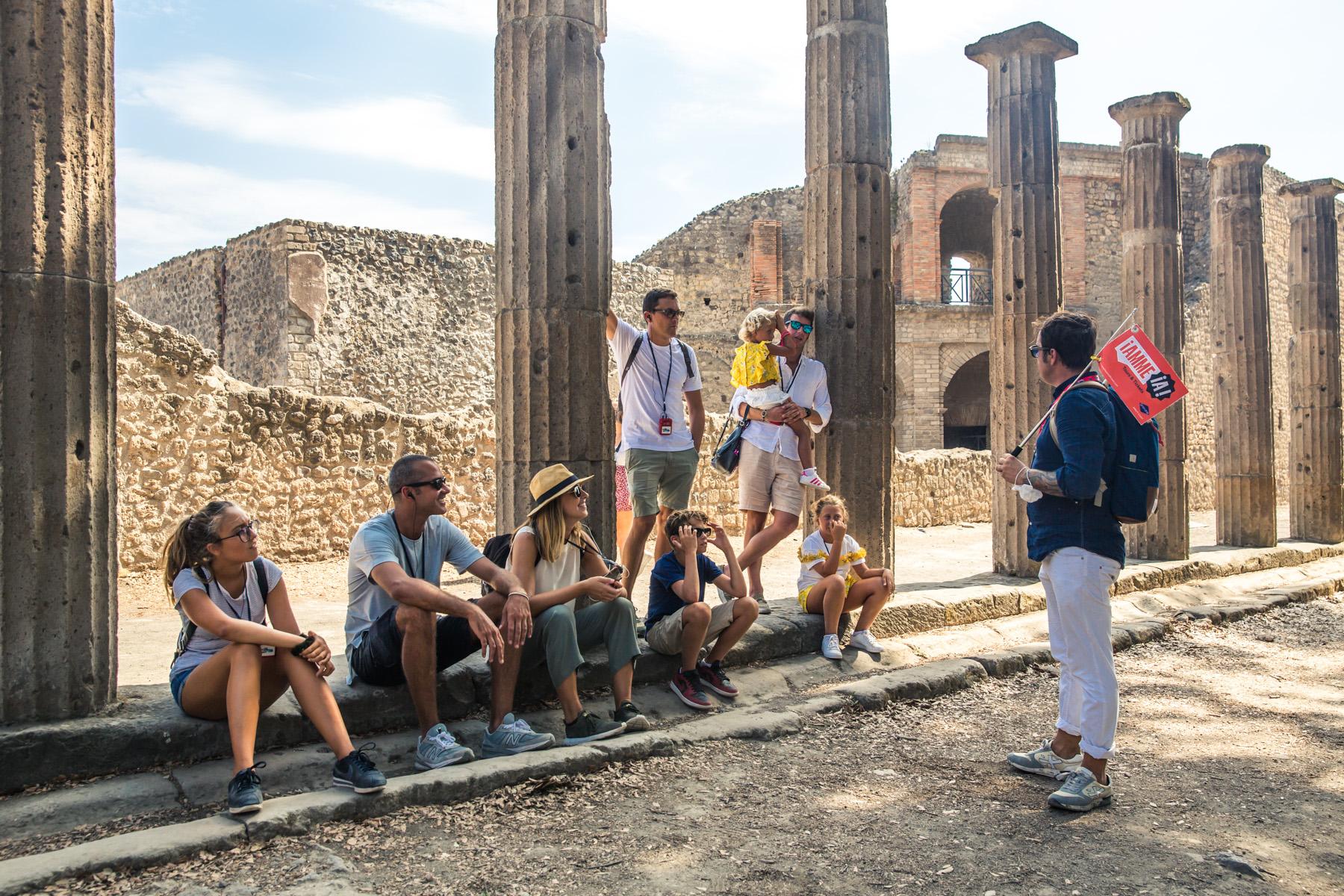
Pompeii & Vesuvius Day Trip from Naples
|
Naples | 7 hr | ★ 4.3 | ✓ | ✓ | ✓ | €115 | Book → |
|
Guided Experience
Pompeii & Mount Vesuvius Day Trip with Lunch from Naples
|
Naples | 8 hr | ★ 4.8 | ✓ | ✓ | ✓ | $56 | Book → |
|
Guided Experience
Pompeii Day Trip from Rome with Optional Vesuvius Visit
|
Rome | 9 hr | ★ 4.6 | ✓ | ✓ | ✓ | €56 | Book → |
Worth it for geology enthusiasts and view seekers
At 10 EUR for the conservation fee, a mount vesuvius tour delivers direct access to one of the world's most studied active volcanoes. You'll climb approximately 850 steps to the crater rim at 1,281 meters, where the fumaroles and sulfur deposits offer tangible evidence of ongoing volcanic activity. The panoramic sweep takes in the Bay of Naples, Capri, and the Sorrento Peninsula—views that justify the modest entrance cost. The experience works best for visitors interested in geology or natural landmarks rather than curated exhibits; you're paying for raw access to the volcanic cone itself. Vesuvio tours suit those comfortable with steep, unshaded trails and a relatively brief summit visit of 30–45 minutes. The conservation fee supports trail maintenance and scientific monitoring, so your ticket funds active preservation of the caldera ecosystem and research infrastructure.
Bottom line: For the price of a café lunch, mount vesuvius tour tickets grant you standing room on an active volcano—a rare geological encounter that rewards the climb with both science and scenery.
They complement each other; most visitors who do both call the volcanic ascent the more thrilling physical endeavor, while the ruins offer a deeper look at Roman landmarks. A mount vesuvius tour provides the active contrast needed to appreciate the vast scale of the ancient disaster site.
|
Top pick Mount Vesuvius |
Pompeii Park | |
|---|---|---|
| Primary experience | Volcano crater hike | Ancient city exploration |
| Physical effort level | High-altitude trek | Extensive flat walking |
| Time requirement | 2–3 hours | 3–5 hours |
| Key takeaways | Geology and panoramas | Urban life and frescoes |
| Ideal for | Adventure seekers | History enthusiasts |
| Transport access | Shuttle to 1000m | Train station proximity |
| See tickets & prices |
Verdict: Secure your mount vesuvius tour tickets if you prefer nature and heights, or select Pompeii for a focused dive into historical preservation before checking mount vesuvius tour tours options for a combined itinerary.
Hand-picked experiences loved by thousands of travelers
8 hours
Free Cancellation
Journey to ancient ruins and an active volcano with priority entry, expert guides, and stunning coastal panoramas
2.5 hours to 1 day
Free Cancellation
Climb to the crater rim of Europe's most notorious volcano with fast-track access and self-guided commentary
8 hours 30 minutes
Free Cancellation
Explore volcanic slopes and ancient ruins on this full-day guided adventure from Sorrento
4 hours
Free Cancellation
Scale an active volcano and gaze across the Bay of Naples from the rim of Mount Vesuvius.
3 hours 30 minutes
Free Cancellation
Climb Europe's only active volcano with hassle-free transport and park entry included
7 hours 30 minutes
Free Cancellation
Discover ancient Pompeii's ruins and hike Vesuvius crater with expert guides, lunch, and skip-the-line entry
8 hours
Free Cancellation
Discover ancient ruins and climb an active volcano on this full-day guided excursion with priority entry
1 hour 30 minutes
Free Cancellation
Explore a family-run winery on Vesuvius' slopes, taste organic Lacryma Christi wines, and lunch with coastal views.
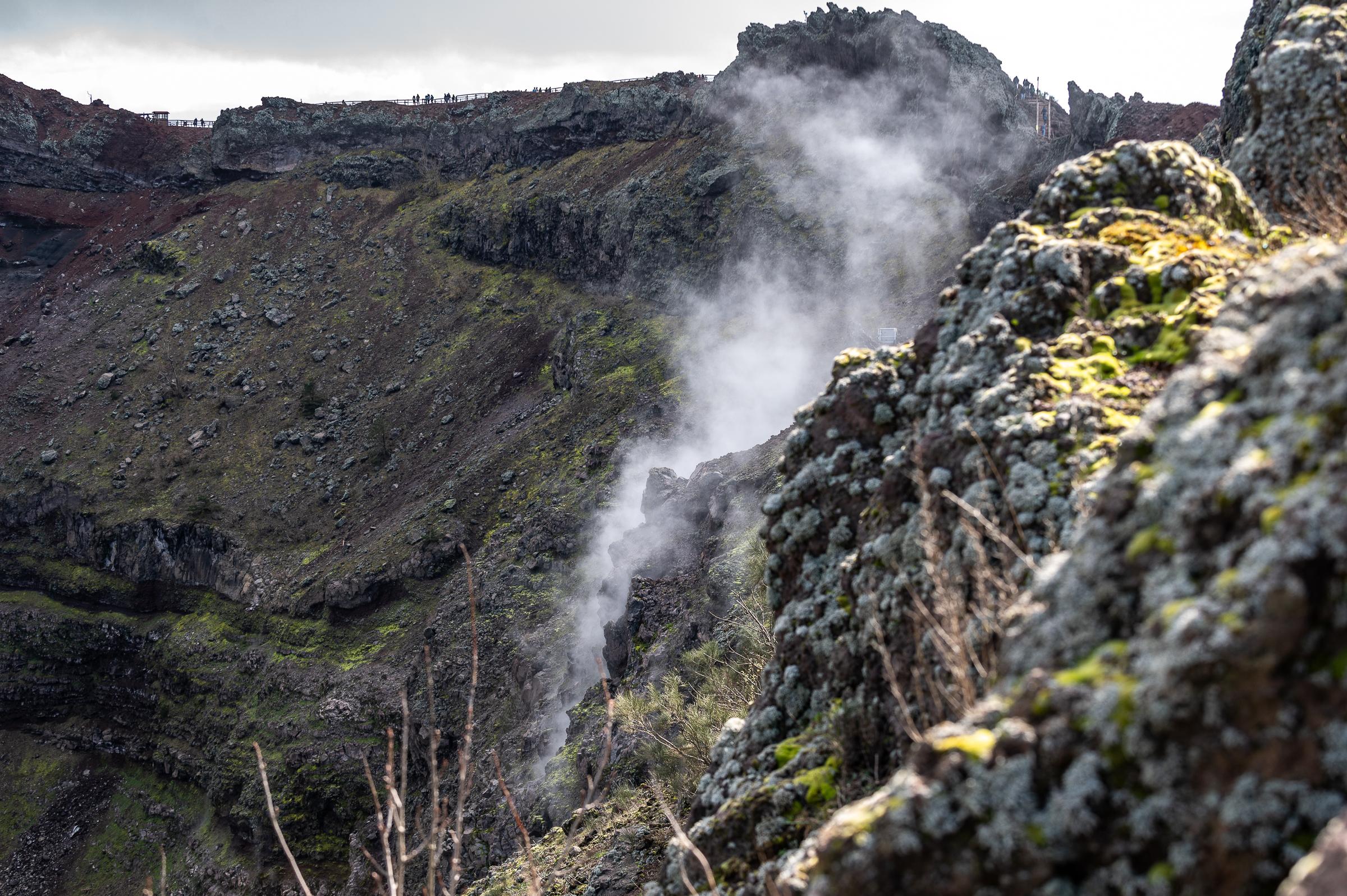
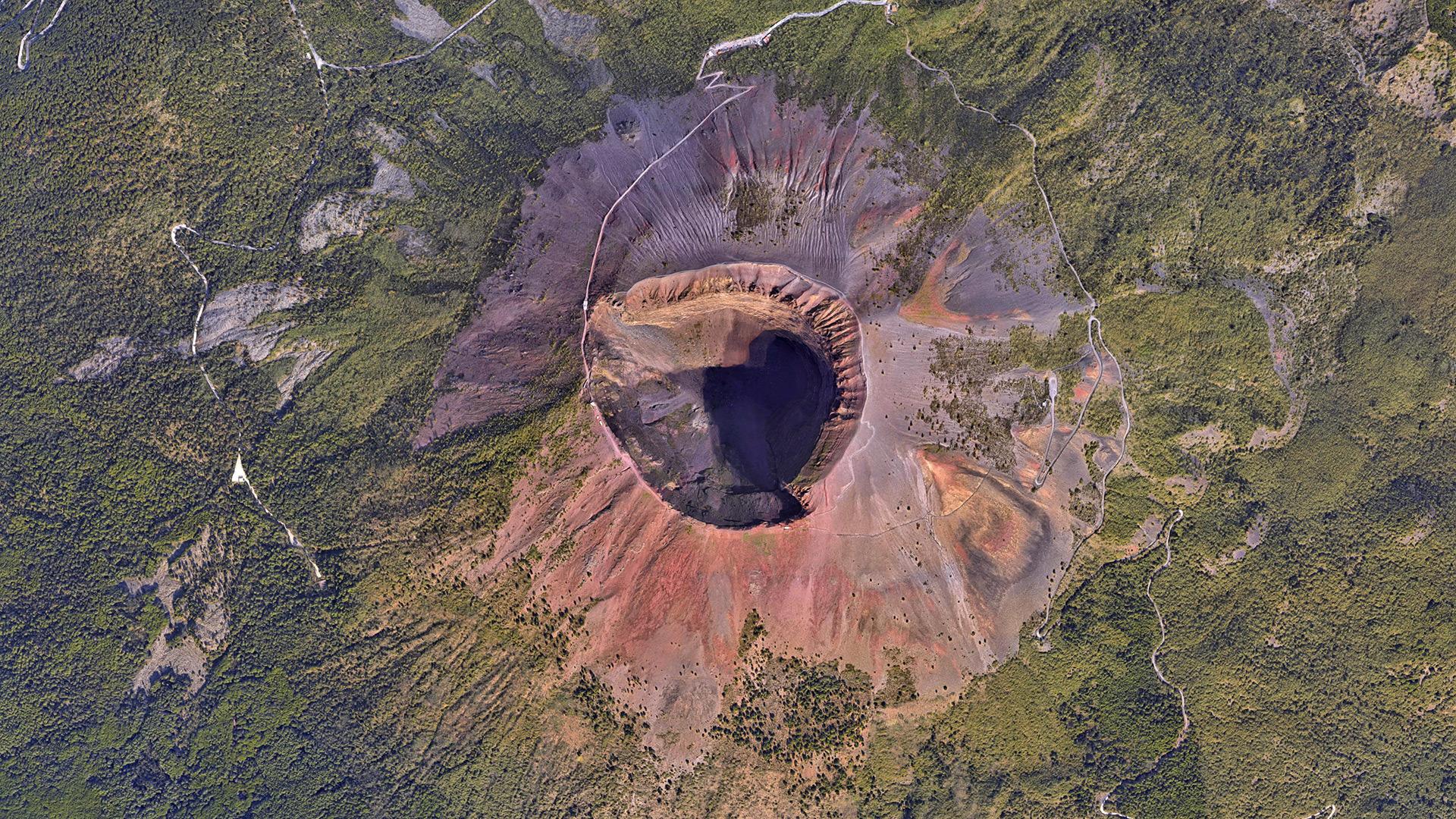
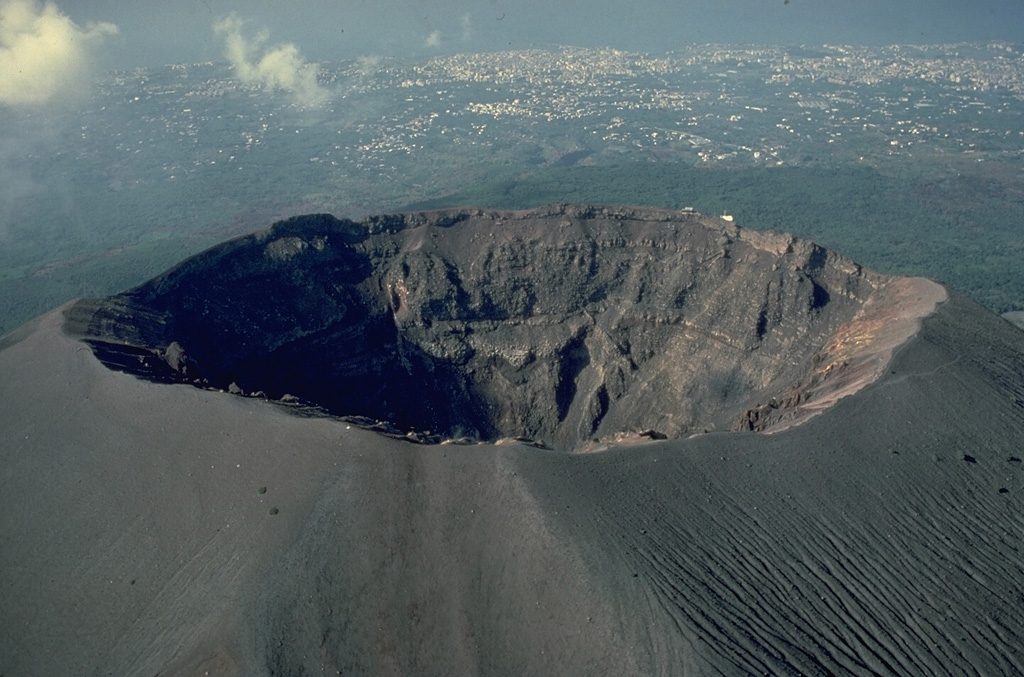
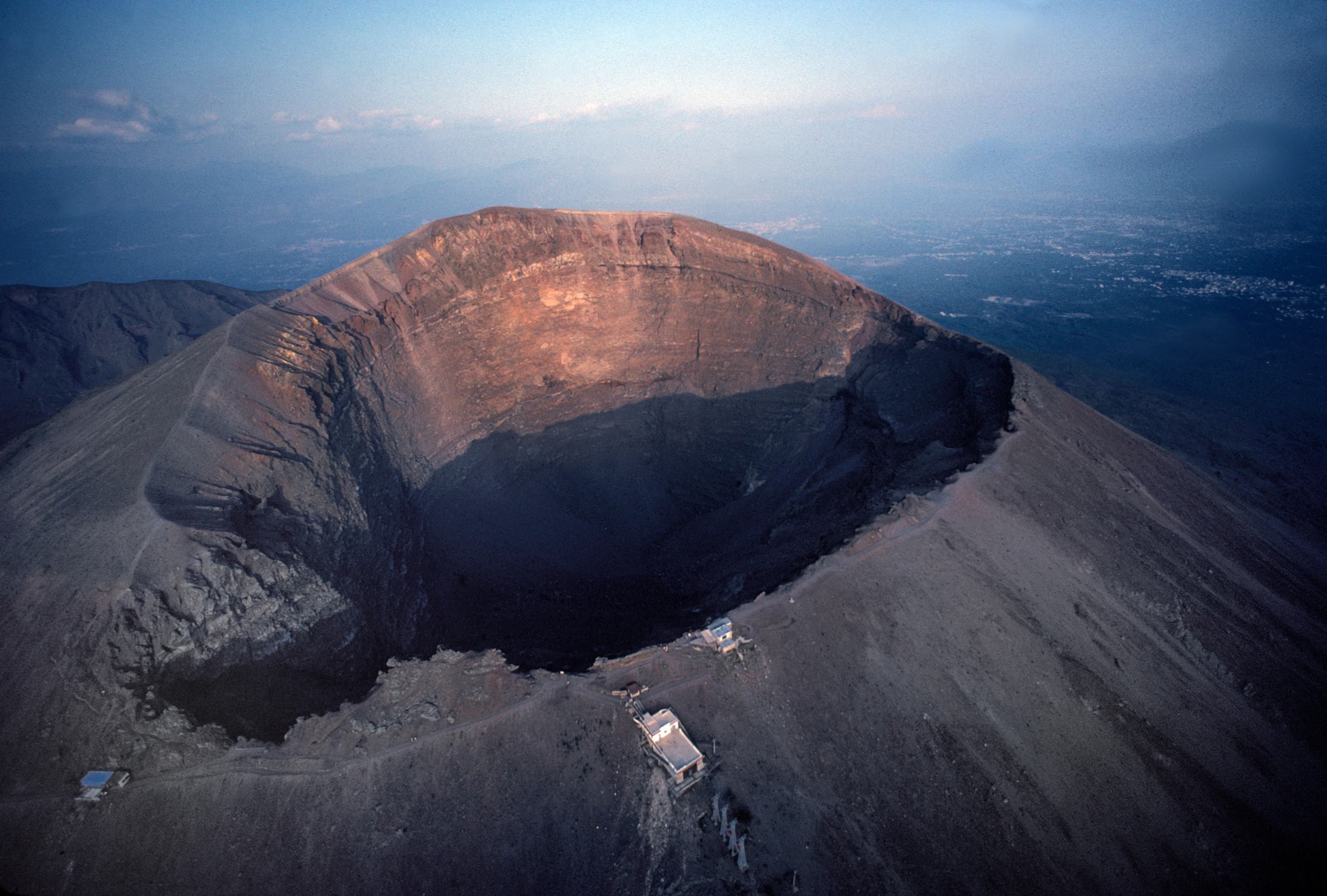
Walk along the edge of the massive volcanic crater formed during historic eruptions.
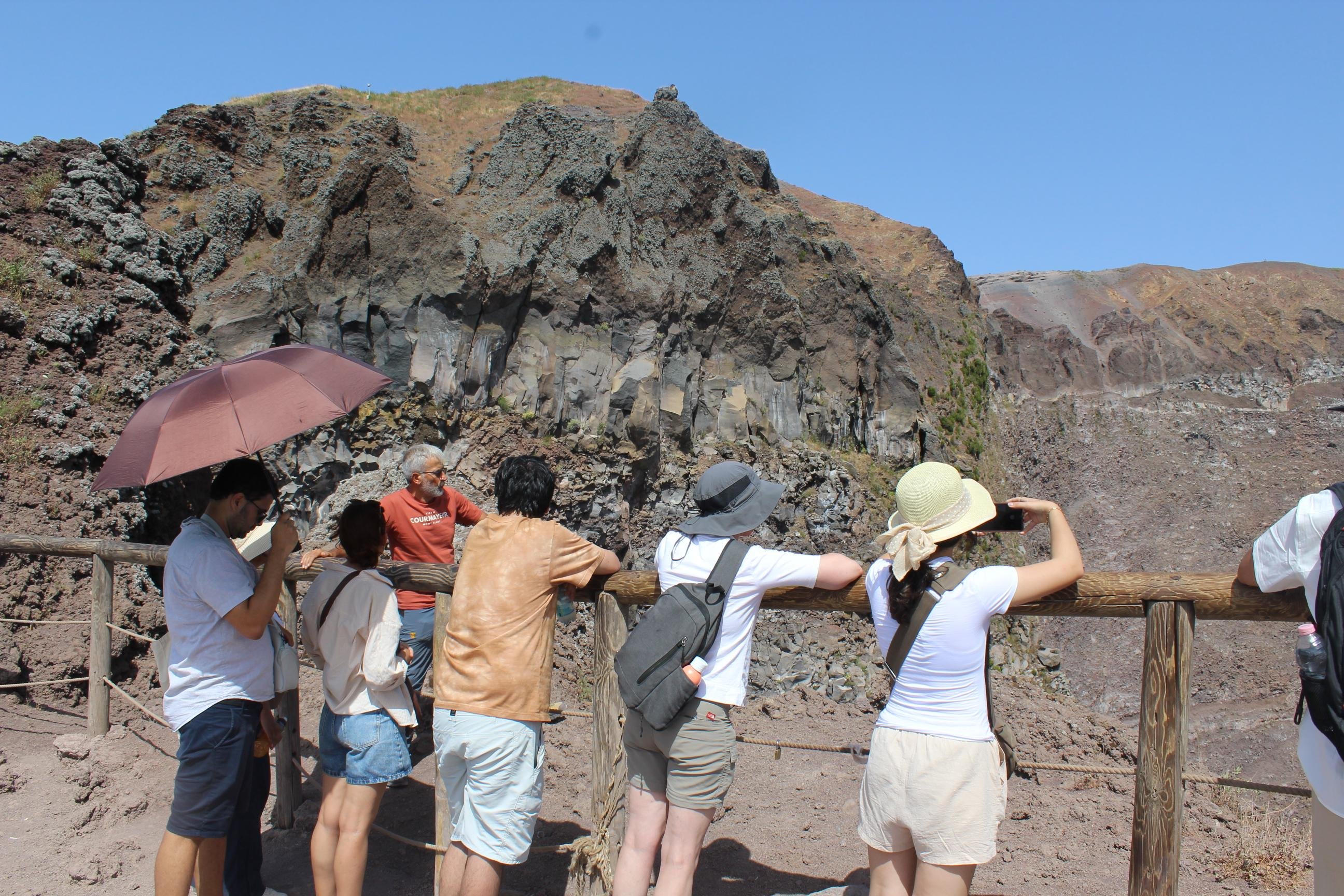
Observe the solidified igneous rock paths left behind from previous volcanic events.
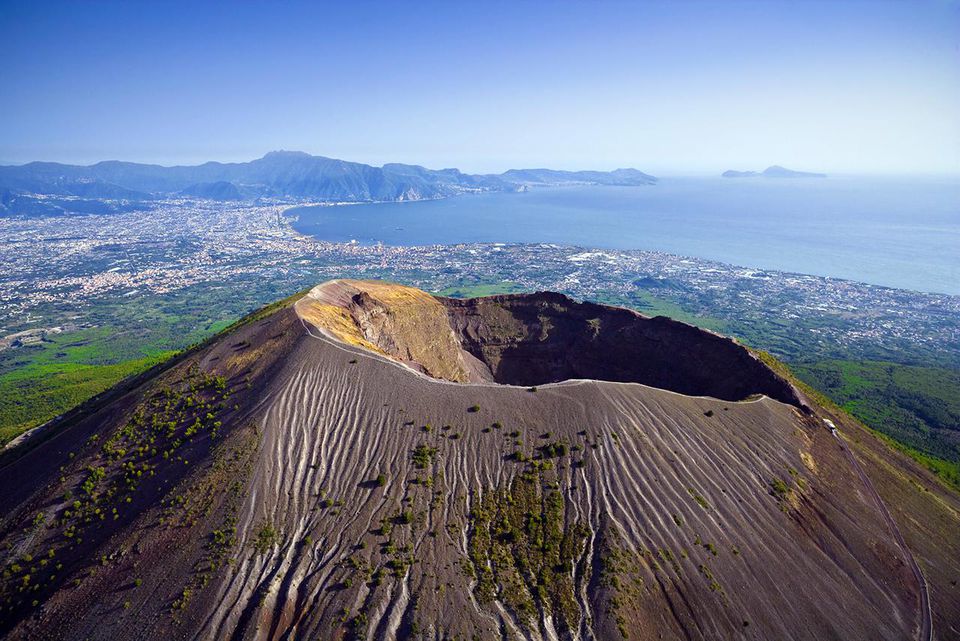
The peak provides a panoramic vantage point over the Gulf of Naples.
Examine the layers of grey and black volcanic ash covering the slopes.
Learn about the monitoring systems keeping track of the volcano.
You arrive at Piazzale di Quota 1000, the paved parking area at 1,000 metres where coaches and private cars deposit visitors at the edge of Vesuvius National Park. A ticket booth collects the €10 conservation fee, and a wide gravel path begins its climb toward the summit.
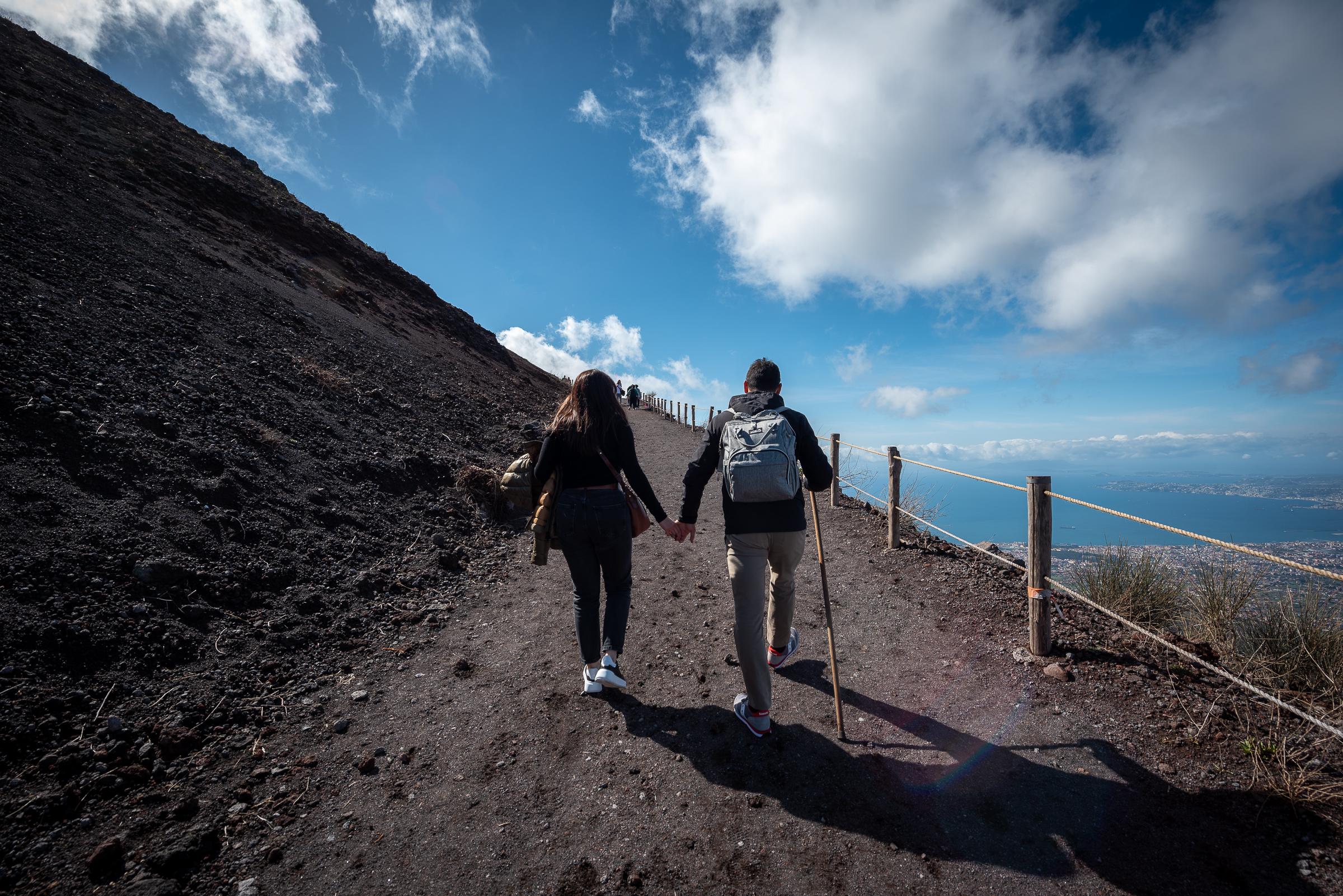
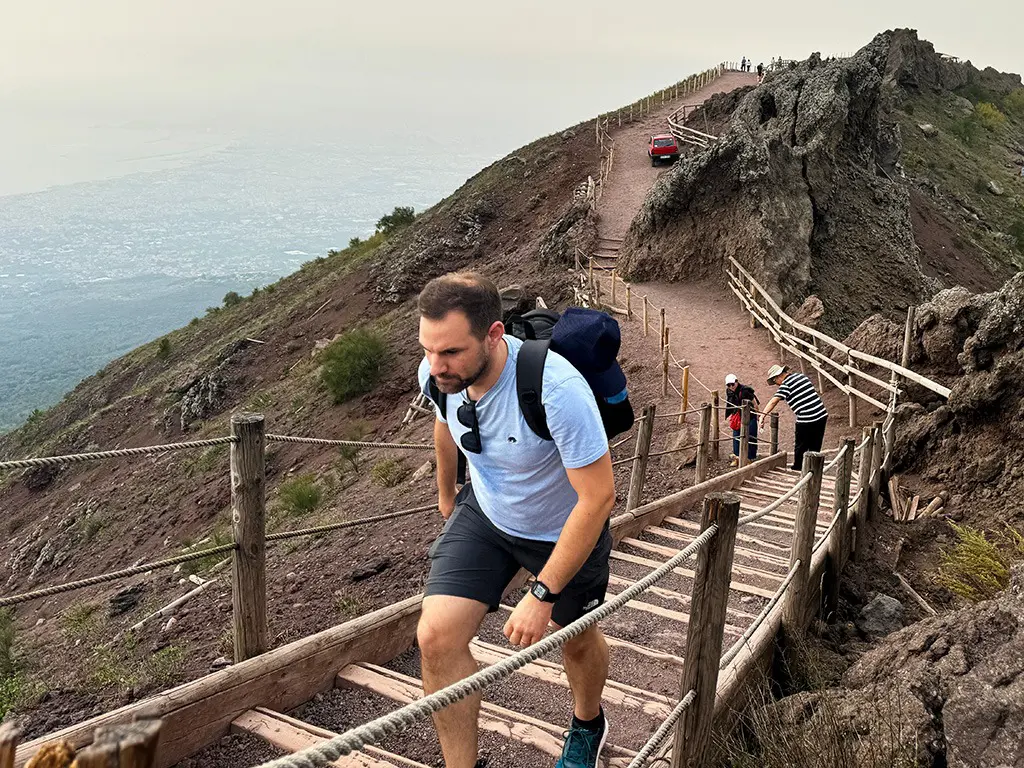
The ascent is steady rather than steep, switchbacking through low scrub and volcanic scree. Every hundred metres the vegetation thins, replaced by black cinder and the occasional flash of yellow broom.
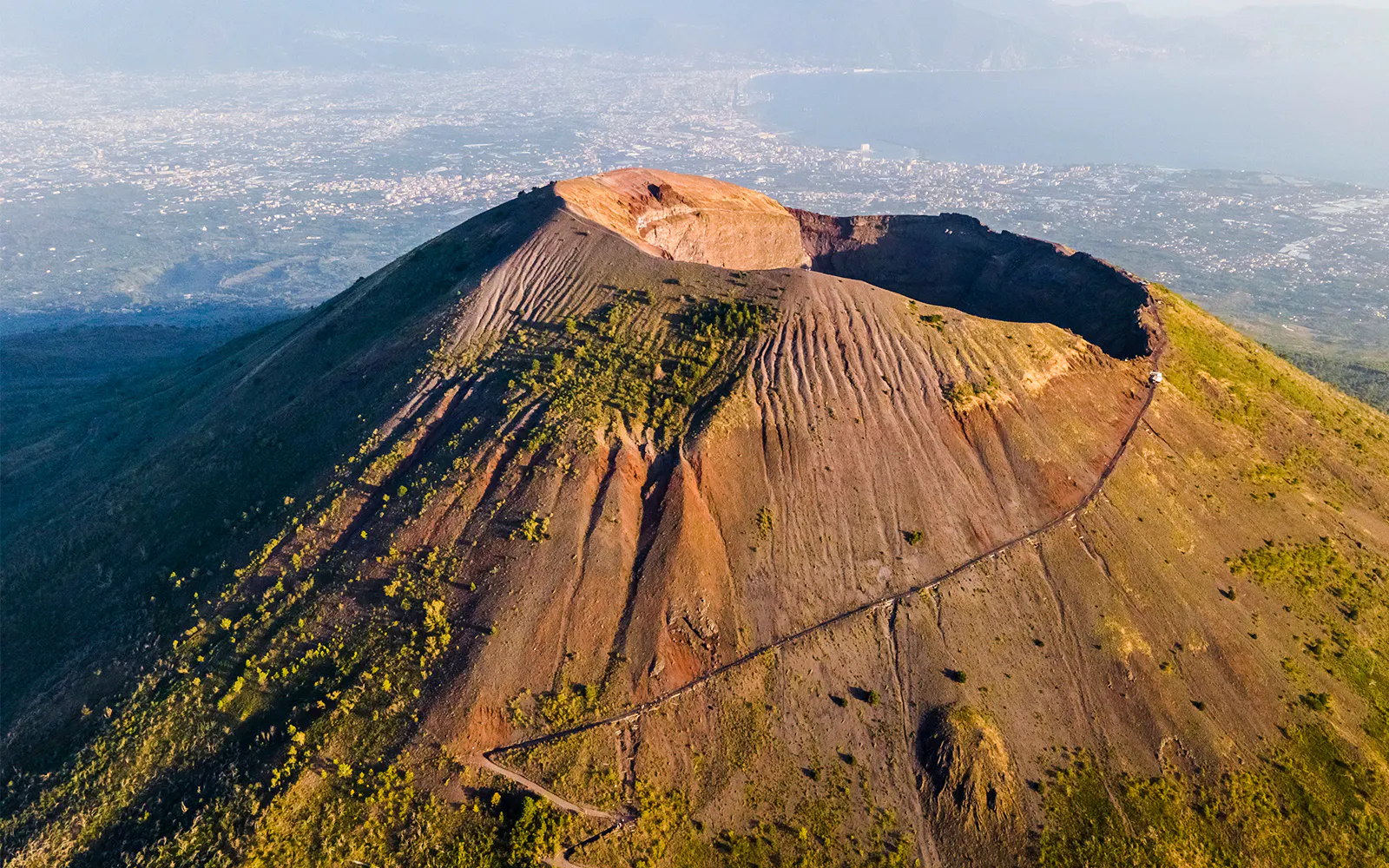
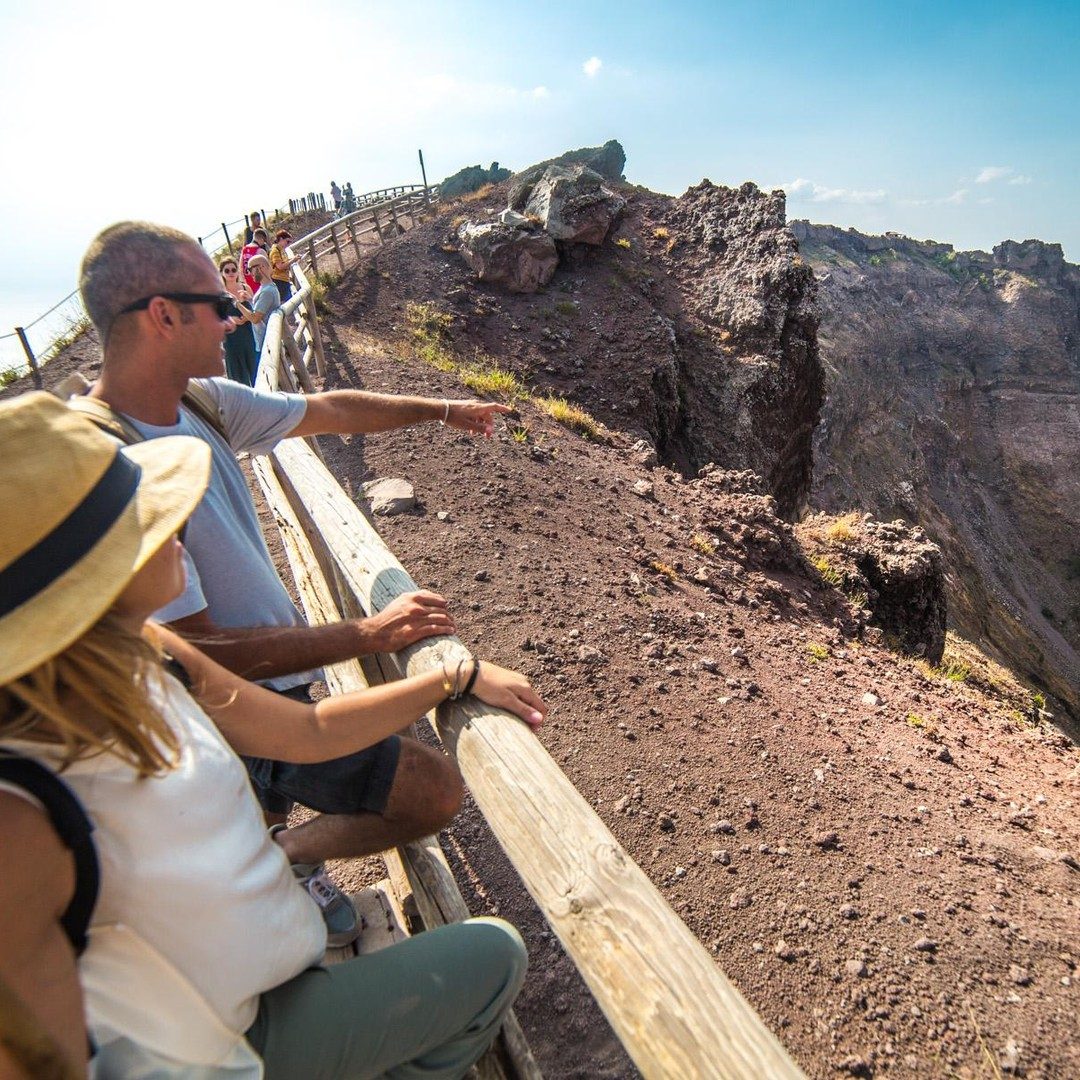
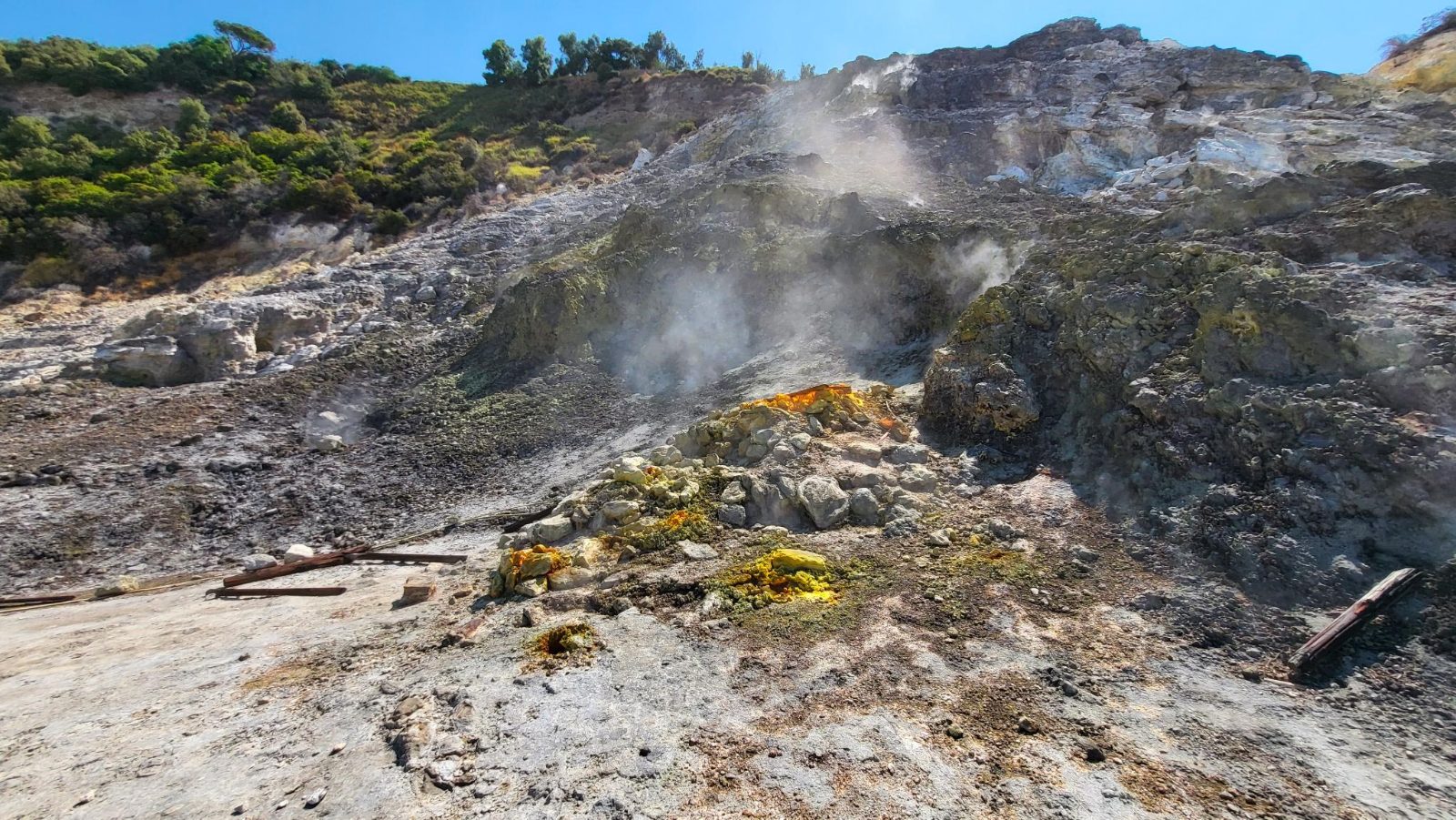
At 1,170 metres you reach the crater rim, a guardrailed path circling the caldera's western edge. The drop is abrupt — nearly 200 metres of stratified rock plunging to the crater floor. Steam rises from fumaroles along the inner slope, carrying the faint scent of sulphur. You walk clockwise along the rim, pausing where interpretive panels explain the 1944 eruption and the seismic monitoring network below your feet. To the south, Pompeii spreads across the coastal plain; to the west, the Bay of Naples glitters under midday sun. The final stretch of path curves back toward the descent route, offering a last view into the crater before you begin the return walk to the parking area.
All the details about your upcoming adventure in one place
A Mount Vesuvius tour takes you to the summit of Europe's only active mainland volcano, where the 1279-meter crater offers views across the Bay of Naples and the ancient lava flows that buried Pompeii in 79 AD. The ascent follows a paved trail to the rim, guided by volcanologists who explain the geology, seismic monitoring, and eruption history. Mount Vesuvius tour tickets include national park entry and the summit path, with departures coordinated around weather and volcanic activity.
Vesuvius last erupted in 1944, showering Allied forces with ash and collapsing the summit cone into the crater visitors walk today.
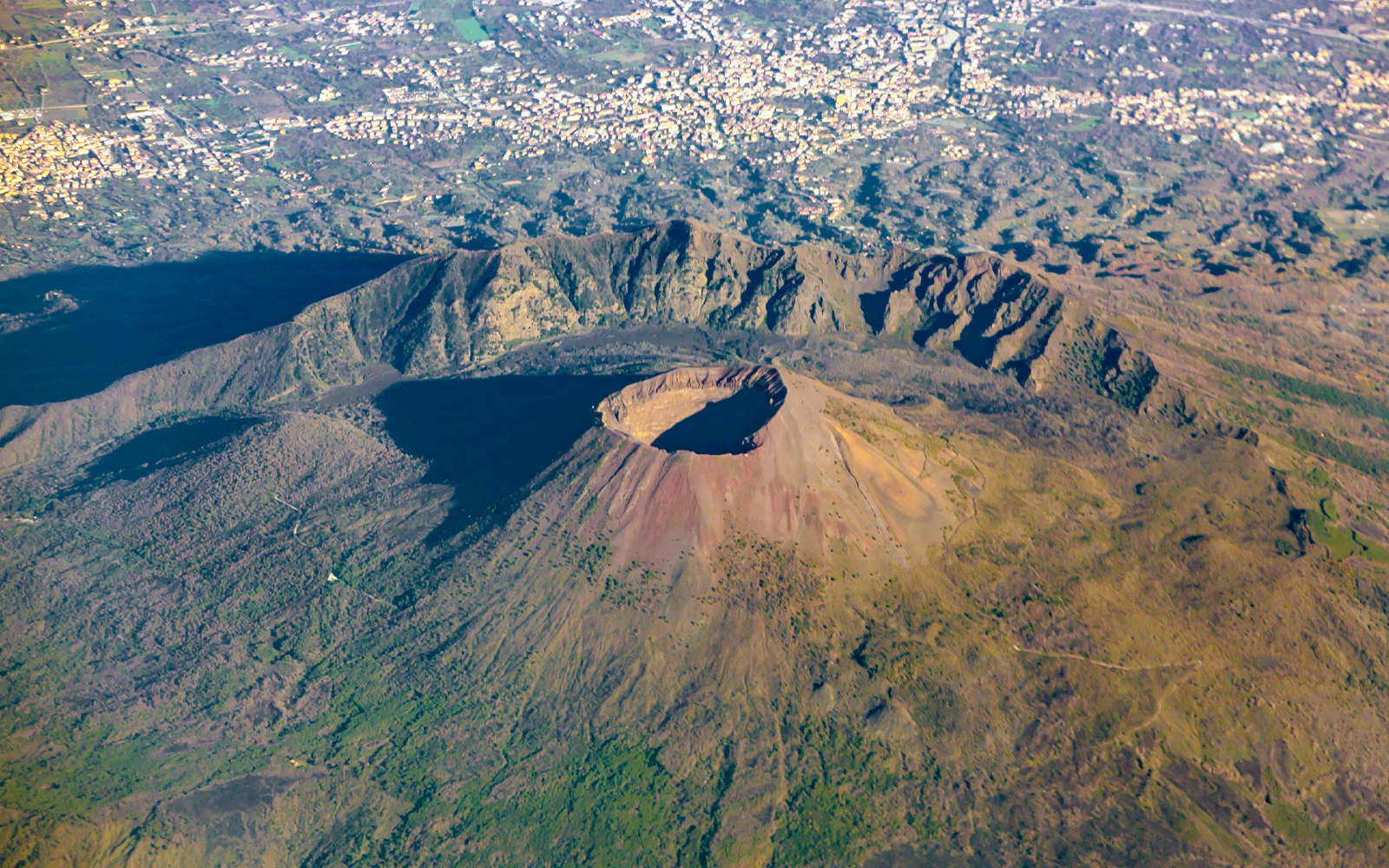
The stratovolcano rises 1,281 metres above the Bay of Naples, its slopes a patchwork of black lava tongues arrested mid-flow and terraced vineyards where Lacryma Christi grapes ripen in mineral-rich soil. The 79 CE eruption that buried Pompeii and Herculaneum remains the mountain's defining moment, its pyroclastic surges immortalised in Pliny the Younger's eyewitness letters and in the plaster casts of Pompeii's dead. Yet Vesuvius is not a relic — seismographs track micro-tremors daily, fumaroles vent sulphur at the crater's edge, and the Osservatorio Vesuviano, founded in 1841, monitors the magma chamber three kilometres below.
Today the volcano anchors Parco Nazionale del Vesuvio, a 135-square-kilometre reserve established in 1995 to protect both geological heritage and endemic flora like the Vesuvian broom that colonises lava fields. Nine nature trails traverse the park, but the summit path — Il Gran Cono — is the pilgrimage most make. The final 800-metre ascent climbs through Mediterranean scrub and exposed cinder, switchbacking toward the crater rim at 1,170 metres. Visitors from Naples, Sorrento and Pompeii converge at the trailhead, many pairing a mount vesuvius tour with archaeological visits to see cause and effect in a single day.
The crater itself is a stark bowl nearly 600 metres across and 200 metres deep, its walls striped in ochre, rust and charcoal where oxidised minerals mark successive eruptions. Steam vents hiss along the inner rim, and on clear days the view spans Capri, Ischia and the Sorrento Peninsula. Volcanologists estimate Vesuvius erupts in cycles of 20 to 50 years of rest; the current quiet has stretched eight decades. That tension between dormancy and inevitability lends every visit a low hum of unease. The mountain is patient, its history written in ash layers and lava strata that reveal not one catastrophe but dozens. Those who climb understand they are standing on a clock that has not stopped, only paused.

Vesuvius is not a relic — seismographs track micro-tremors daily, and the Osservatorio Vesuviano monitors the magma chamber three kilometres below.
Visitors should wear durable hiking boots or athletic shoes suitable for loose volcanic ash. Dress in layers as temperatures at the crater summit are frequently lower than at the base.
Backpacks are permitted, but there are no lockers at the entrance. Security reserves the right to inspect personal items at the ticket gate.
Handheld photography is permitted for personal use along the crater rim. Professional equipment requiring tripods requires prior authorization from the park authority.
The mount vesuvius tour is suitable for older children capable of hiking on loose terrain. Strollers are not practical on the mountain path.
The trail to the crater consists of uneven volcanic gravel and steep inclines. It is not recommended for individuals with cardiac or respiratory conditions.
There are small refreshment stands near the parking area at Piazzale di Quota 1000. Visitors should carry sufficient water, as no water fountains exist along the climbing path.
Opening Hours
09:00–17:00
Address
Piazzale di Quota 1000, 80056 Ercolano NA, Italy
Accessibility
High altitude terrain; limited mobility access
Best arrival window
09:00–10:30
Storage
No secure storage available on site
Navigation
Mountain trail accessible via local shuttle
Public transport · 45 min · Low cost
Take the EAV bus from Ercolano Scavi station to the upper parking area.
Reservations for a mount vesuvius tour often require booking via the official site. The 10 EUR entrance fee is typically non-refundable once issued.
Recommended time
2-3 hours
Planning your mount vesuvius tour effectively requires arriving early to navigate the crater path comfortably. Most visitors spend approximately two to three hours exploring the volcanic landscape, though extra time is needed for the bus transfer from the parking area. Securing mount vesuvius tour tickets in advance helps minimize wait times at the caldera access point, especially as the trail becomes more congested during the afternoon.
Crowd levels through the day
Weather · crowds · average price — dots go green to amber to red as each metric rises.
Mild temperatures and clear skies make this ideal for any mount vesuvius tour excursion.
Temperatures drop significantly as you ascend toward the summit crater.
Piazzale di Quota 1000, 80056 Ercolano
Main gate for crater access
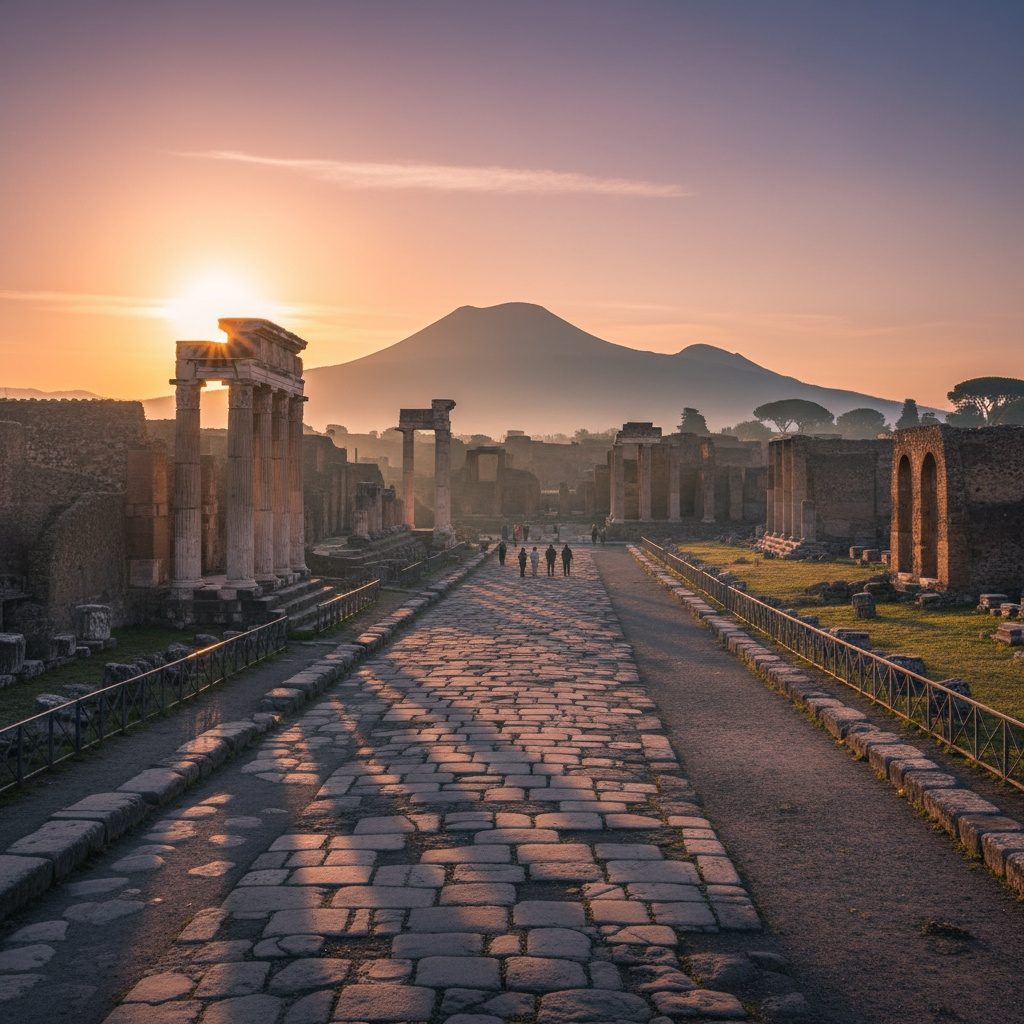
Get directionsMount Vesuvius entered recorded history on August 24, 79 AD, when a catastrophic Plinian eruption buried Pompeii and Herculaneum under meters of volcanic ash and pyroclastic flows. The geologist Pliny the Younger documented the event from Misenum, describing the column of gas and debris that rose nearly thirty kilometers into the atmosphere before collapsing. An estimated 16,000 residents perished, their remains preserved in hardened ash that would not be systematically excavated until the eighteenth century. The eruption reshaped the mountain's profile, collapsing the summit and leaving the caldera rim visible on mount vesuvius tours today. Vesuvius remained active through the medieval period, with significant eruptions recorded in 472, 1631, and 1906. The 1631 event killed approximately 4,000 people and prompted the construction of early warning systems around the Bay of Naples. By the nineteenth century, the volcano attracted scientific attention from European geologists, including Sir William Hamilton, who published detailed observations of lava composition and eruption mechanics. The 1944 eruption—the most recent—destroyed the villages of San Sebastiano and Massa di Somma, marking the end of the mountain's persistent Strombolian activity and the beginning of its current dormant phase. Today Vesuvius is monitored by the Osservatorio Vesuviano, established in 1841 as the world's first volcanological observatory. Seismographs, gas sensors, and GPS stations track ground deformation and magma movement in real time. The summit crater, accessible via a paved trail from Quota 1000, reveals fumaroles still venting sulfur dioxide—evidence that the magma chamber remains active beneath the surface. Volcanologists classify Vesuvius as one of the most dangerous volcanoes on Earth due to the three million residents living within its potential eruption zone, making every mt vesuvius tour tickets purchase a visit to a site where geological history is still unfolding.
Plinian eruption buries Pompeii and Herculaneum, killing an estimated 16,000 people and preserving the cities under volcanic ash.
Major eruption kills 4,000 residents and prompts the construction of early warning systems around the Bay of Naples.
Osservatorio Vesuviano opens as the world's first permanent volcanological observatory, pioneering eruption monitoring techniques.
Eruption destroys part of the summit cone and causes widespread damage to villages on the volcano's slopes.
Most recent eruption destroys San Sebastiano and Massa di Somma, ending Vesuvius's persistent eruptive phase.
Continuous seismic and gas monitoring tracks the active magma chamber beneath Vesuvius, classified among the world's most dangerous volcanoes.
Real experiences from real travelers
We took a mount vesuvius tour in early August and the views from the crater rim were extraordinary. The guide explained the geology clearly and pointed out Pompeii far below. Arrive early to avoid the midday heat.
The hike to the summit took about 30 minutes at a steady pace. Standing at the edge of an active volcano with steam vents hissing below was surreal. The Bay of Naples stretched out endlessly.
Visited on a cloudless morning and could see all the way to Capri. The volcanic rock underfoot and sulfur smell made the geology tangible. Our mount vesuvius tour guide shared stories of the 79 AD eruption that made history vivid.
The final ascent is steep and the path is loose gravel, so good shoes are necessary. Once at the top the scale of the caldera is impressive. We spent 45 minutes walking the rim trail.
Seeing the fumaroles actively releasing steam and smelling the sulfur made this volcano tour unforgettable in the best way. The interpretive signs along the crater path explained the 1944 eruption clearly.
The 360-degree view from the summit includes Naples, the islands, and the entire coastline. Our guide pointed out the lava flows from different eruptions. Mount Vesuvius tours offer a perspective you cannot get anywhere else.
Standing above an active volcanic vent with visible steam was a highlight of our Italy trip. The trail is well-maintained and the altitude gain is reasonable. Vesuvius tickets include the national park entrance.
Walking the same slopes that buried Pompeii puts history into perspective. The crater itself is vast and the volcanic activity is still evident. Our mount vesuvius tour started at 8am to beat the crowds and heat.
The views are excellent but the narrow crater path gets congested when multiple tour groups arrive together. Go early or late in the day. The geology is fascinating once you have space to appreciate it.
The scale of the crater and the knowledge that it is still active made this volcano experience genuinely moving. Our guide explained the seismic monitoring and eruption history in detail. Vesuvius summit access is straightforward from the parking area.
Everything you need to know for your journey
The site is open daily from 09:00–17:00.
The terrain at Mount Vesuvius is steep and volcanic, making it unsuitable for wheelchair access.
There are no lockers provided at the park entrance for your visit.
You may bring snacks and water, but please carry all trash out with you as you hike.
The best arrival window for your visit is 09:00–10:30 to avoid peak heat.
Yes, purchasing your mount vesuvius tour tickets online is highly recommended to ensure availability.
Wear comfortable, sturdy shoes and prepare for shifting weather conditions on the mountain.
Children are welcome on the mount vesuvius tour provided they are supervised and able to handle the hike.
Public transport via the EAV bus from Ercolano Scavi is the primary way to reach the mountain.
Yes, you can easily combine your hike with a visit to the nearby Herculaneum ruins.
Ancient Roman town buried by volcanic ash with preserved mosaics.
Convenient access to bus lines and the archaeological park.
Join thousands of happy travelers who have discovered this incredible experience
Book Your Experience Now